

Let’s talk

Thank you! Your submission has been received!
Oops! Something went wrong while submitting the form.

Google announced on 28 October 2026 that it is scaling ads in AI Mode to Australia, labelled “Sponsored”. Organic pages can still be cited, but they now share the answer with paid placements. Our advice is to answer one specific question per page, state facts a model can quote, and test paid only after those pages work.
Google announced on 28 October 2026 that it is scaling ads in AI Mode to Australia, labelled “Sponsored”. Organic pages can still be cited, but they now share the answer with paid placements. Our advice is to answer one specific question per page, state facts a model can quote, and test paid only after those pages work.
Google said it is scaling ads in AI Mode in Australia, Canada, India, Kenya, Malaysia, New Zealand, Nigeria, Pakistan, the Philippines and Singapore, with ads clearly labelled “Sponsored” (Google). It plans to add Brazil, Mexico and the United Kingdom in Q4 2026. Ads in follow-up queries are launching in the US only for now.
Google also said AI Mode queries are on average three times longer than traditional searches, and that click-through rates are already similar between sponsored and organic product list items. Both figures come from Google’s own US data, a May 2026 report and an internal sample from 20 August to 3 September 2026. They aren’t Australian results.
Nothing in the announcement removes organic results. What it changes is how much attention a cited page gets, because a paid placement now competes for the same click. The announcement doesn’t describe how ads sit next to cited sources, so we won’t guess at the layout.
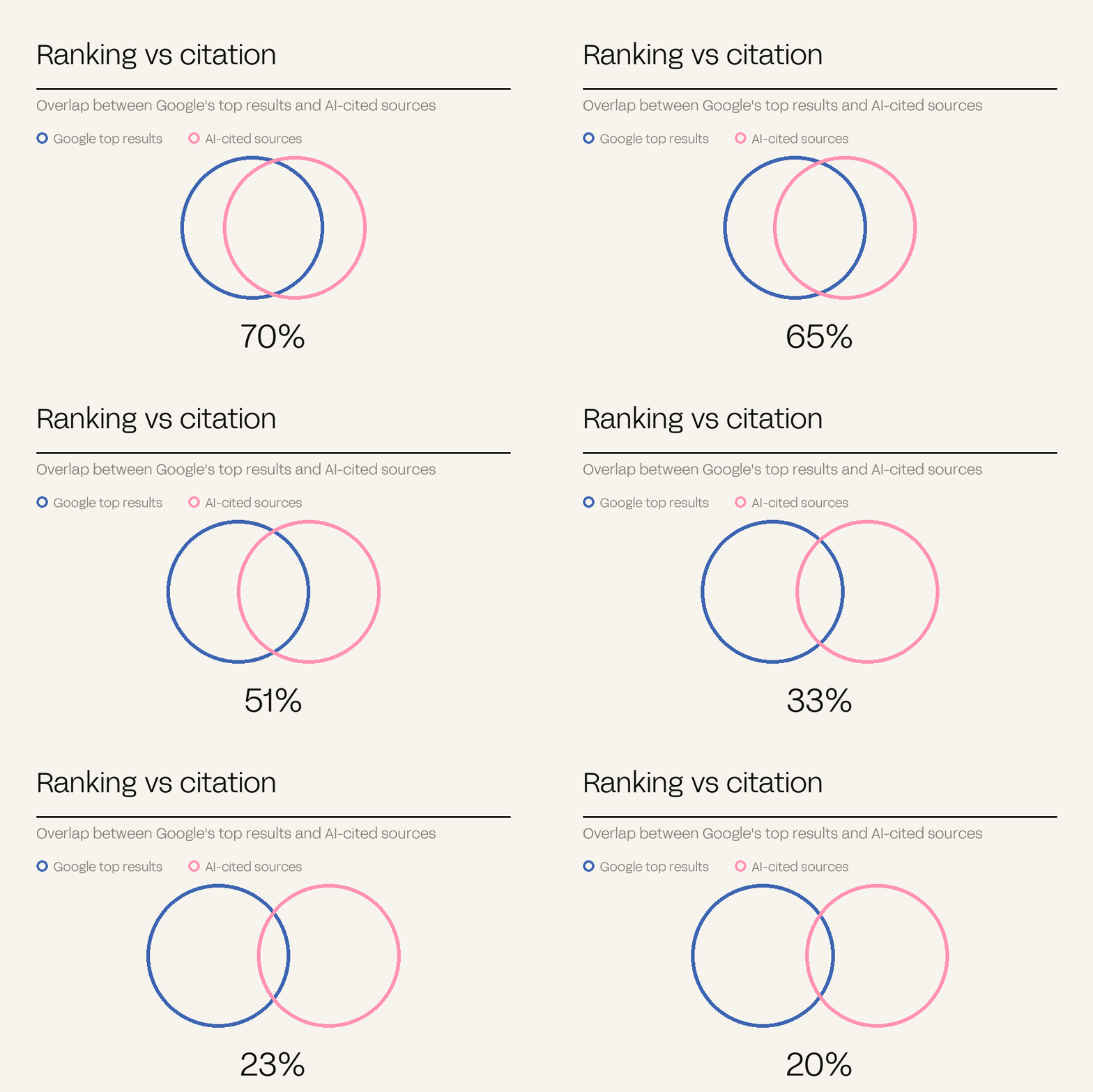
Google is telling advertisers that paid and organic clicks look close to level inside AI Mode. If that holds here, a business that gets cited and a business that pays are in the same race. Our earlier post on why Google rankings no longer predict AI visibility explains why ranking well in the ten blue links doesn’t guarantee a citation.

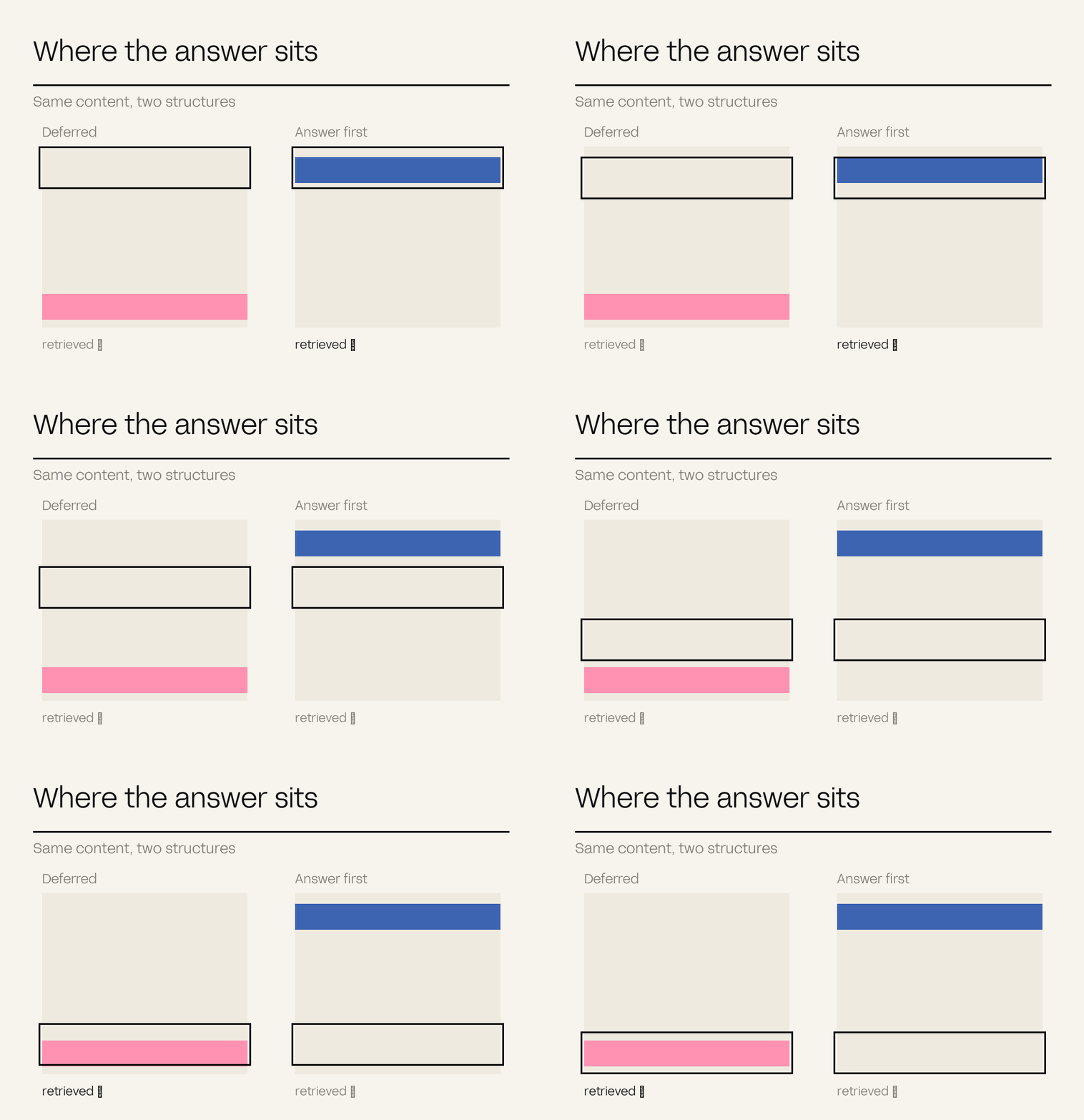
Rewrite your most important pages so each one answers a single question in its first paragraph. That is the format AI answers quote most easily, and we cover it in answer-shaped content for AI search.
Longer questions mean a buyer can ask for exactly what they want, such as a branding studio in St Kilda that works with hospitality. A page that already answers that sentence has a better chance than one that lists services in general terms.
Only if you already run Google Ads and have commercial pages that convert. Google points advertisers to its help page for how eligibility and matching work in AI Mode, linked from the announcement.
If you don’t run Google Ads, start with your pages. Ads stop when the budget does, and a page that gets cited keeps working. Where the question is about buying versus earning, we made the same argument for another platform in ChatGPT ads: are they actually worth it?
Ask it. Write ten questions your customers ask, include your suburb or city where it’s natural, and run them in AI Mode. Record which businesses get named and which pages get cited.
Repeat the same questions once a month and keep the log. A trend over three months tells you more than a single check, and it shows whether the changes you made to your pages are doing anything. If you want help setting that up for your own site, get in touch.

Yes. New Zealand is on Google’s list alongside Australia, Canada, India and six other countries.
Google hasn’t said. The announcement covers the markets and the “Sponsored” label, and says it will keep testing new formats.
Monthly is enough to see a trend. Use the same questions each time so the results are comparable.