

Let’s talk

Thank you! Your submission has been received!
Oops! Something went wrong while submitting the form.

On 4 November 2026 the ACMA announced that SpinTel paid a $653,400 penalty for sending more than 32,000 marketing emails without consent, including to former customers. Before Black Friday on 27 November, check how every address on your list consented, and leave out anyone whose consent you can’t trace.
On 4 November 2026 the ACMA announced that SpinTel paid a $653,400 penalty for sending more than 32,000 marketing emails without consent, including to former customers. Before Black Friday on 27 November, check how every address on your list consented, and leave out anyone whose consent you can’t trace.
The ACMA found that between July and September 2025 SpinTel sent marketing emails to former customers, encouraging them to return and promoting its NBN and mobile plans (ACMA). Some recipients had left up to 13 years earlier. SpinTel argued it could reasonably infer consent from the earlier business relationship.
The investigation also found five messages sent more than five business days after the recipients had unsubscribed. On top of the penalty, the ACMA accepted a three-year court-enforceable undertaking requiring SpinTel to appoint an independent consultant to review its compliance, with regular audits and reporting.
Not automatically. ACMA member Samantha Yorke said a previous business relationship doesn’t automatically provide consent. Whether consent can be inferred depends on the nature of the relationship, how relevant the message is to it, and what the recipient would reasonably expect.
The ACMA generally encourages express consent, with clear terms agreed in advance, including how long the consent will be valid. That is what we’d build towards. Inferred consent is an argument you may have to defend, and express consent is a record you can show.

Work through the list in this order, ideally this week, so you have time to fix problems before 27 November.

Hold them out of the promotional send and ask them to opt back in. A short, honest message from you works better than a discount blast to people who may not remember you.
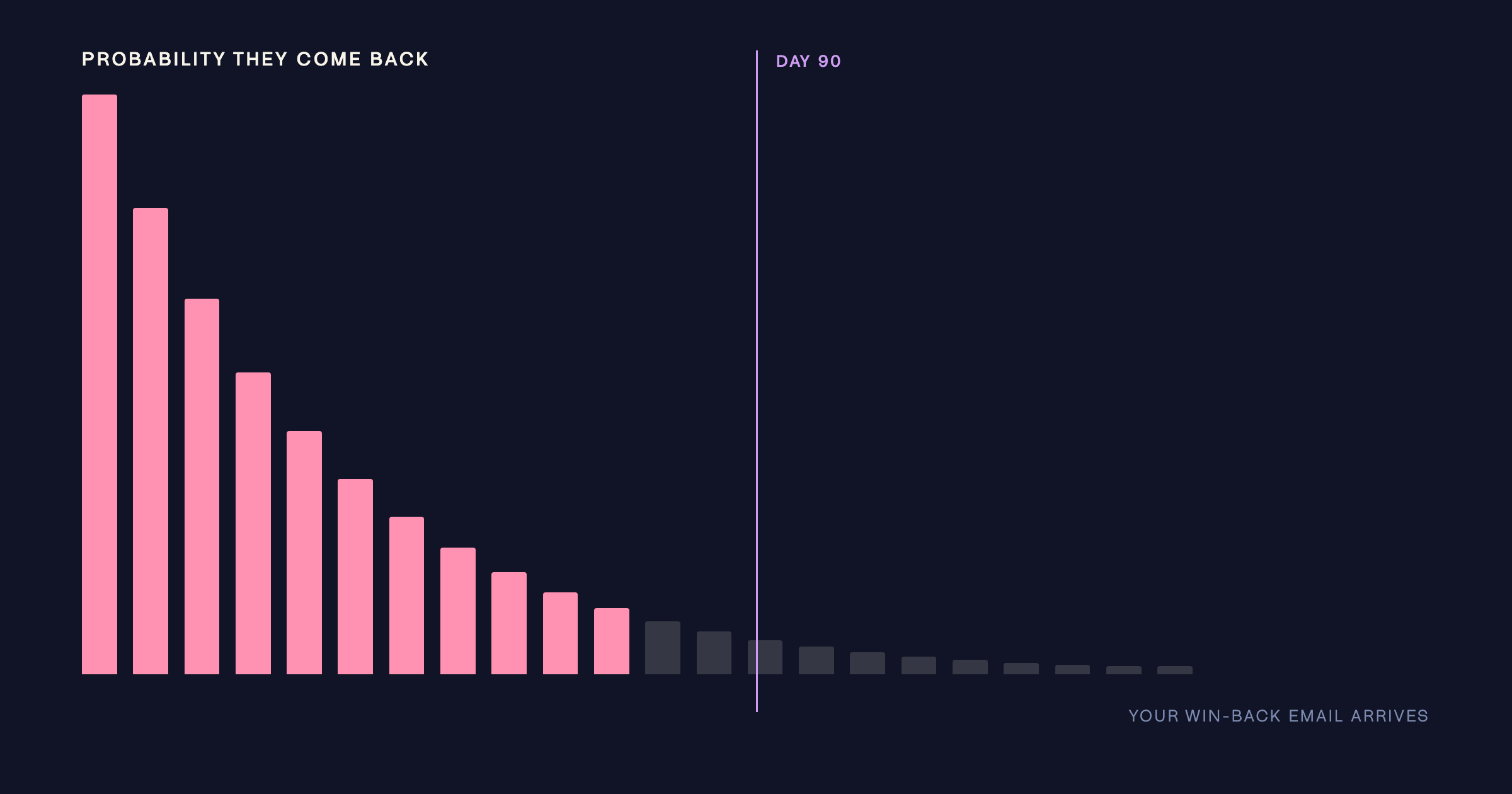
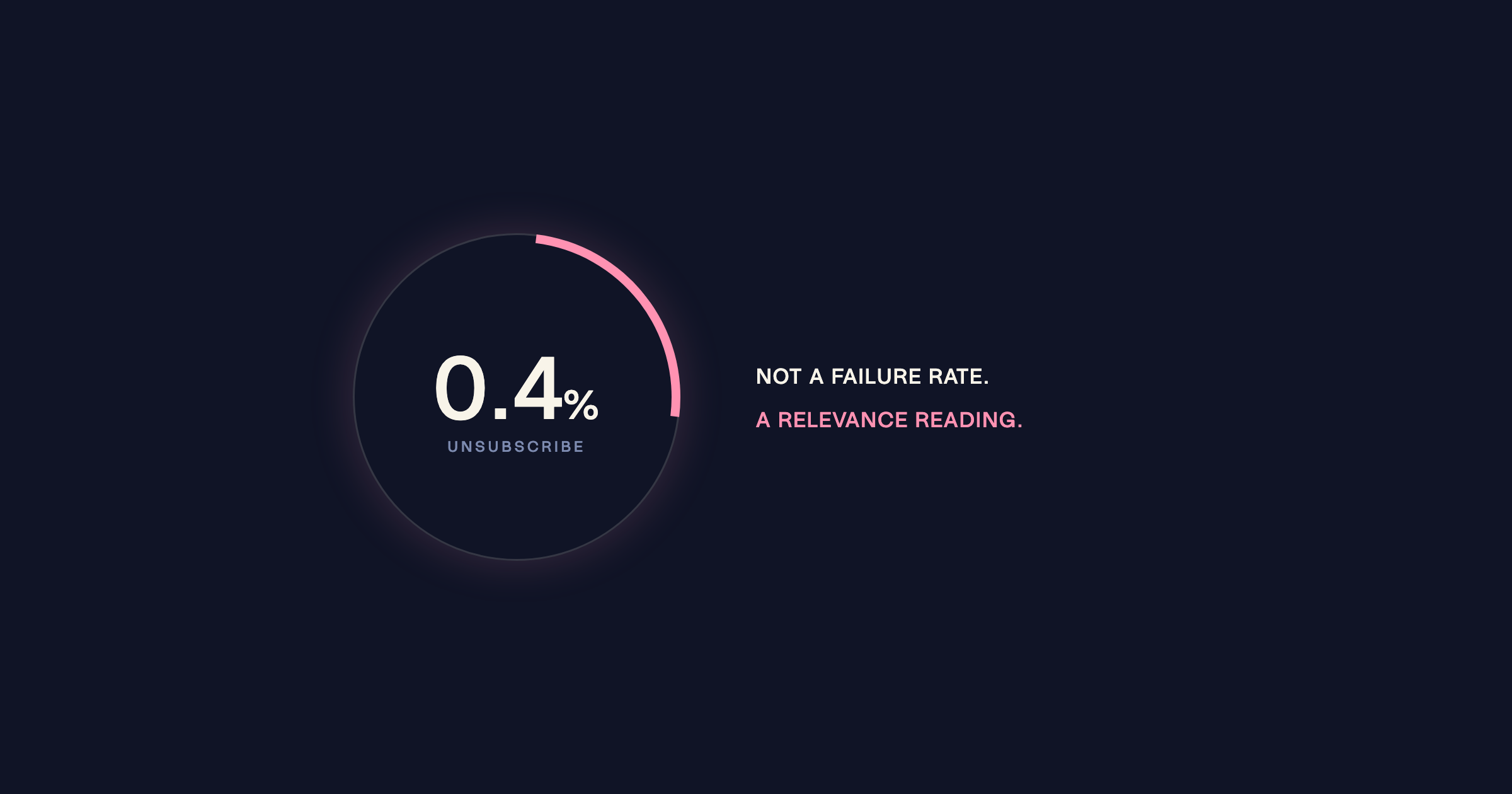
We make a similar argument about timing in the re-engagement email most brands send too late, and about reading your list’s reaction in what your unsubscribe rate is really telling you. A smaller list with recorded consent usually sends better than a big one you can’t explain.
The ACMA says businesses have paid over $11 million in spam penalties in the last 18 months. Its 2024 guidance says the consent rules apply to any business that markets to Australian consumers by phone, email or SMS, regardless of size or turnover (ACMA).
Our welcome flow guide, the welcome email is your most important email, shows how to start new subscribers on the right footing. This is a marketing checklist, not legal advice, so ask your lawyer about anything specific. If you’d like a second pair of eyes on your Klaviyo setup before the sale, get in touch.
The ACMA described it as a $653,400 penalty paid by SpinTel after an investigation. It also says businesses have paid over $11 million in spam penalties in the last 18 months.
Yes. The ACMA says the laws apply to any business that markets to Australian consumers by phone, email or SMS, regardless of size or turnover.
Not safely by default. The ACMA says a previous relationship doesn’t automatically provide consent, and it recommends express consent.
The ACMA’s SpinTel finding counted messages sent more than five business days after the recipient unsubscribed. Aim to process unsubscribes immediately.