


.png)
Let’s talk

Thank you! Your submission has been received!
Oops! Something went wrong while submitting the form.

AI search visibility is a brand authority problem, not an SEO problem. The brands AI recommends have clear positioning, segmented content, original data, and third-party citations – brand system outcomes. Ranking on Google page 1 correlates with AI mentions (~0.65, Seer Interactive) but does not guarantee them.
Rippling went from 20,000 monthly website visitors to 1.5 million in five years. Most analysis of that growth focuses on SEO tactics – keyword clusters, topic authority, blog volume. That misses the point entirely. The three moves that drove the growth were brand decisions, not SEO decisions.
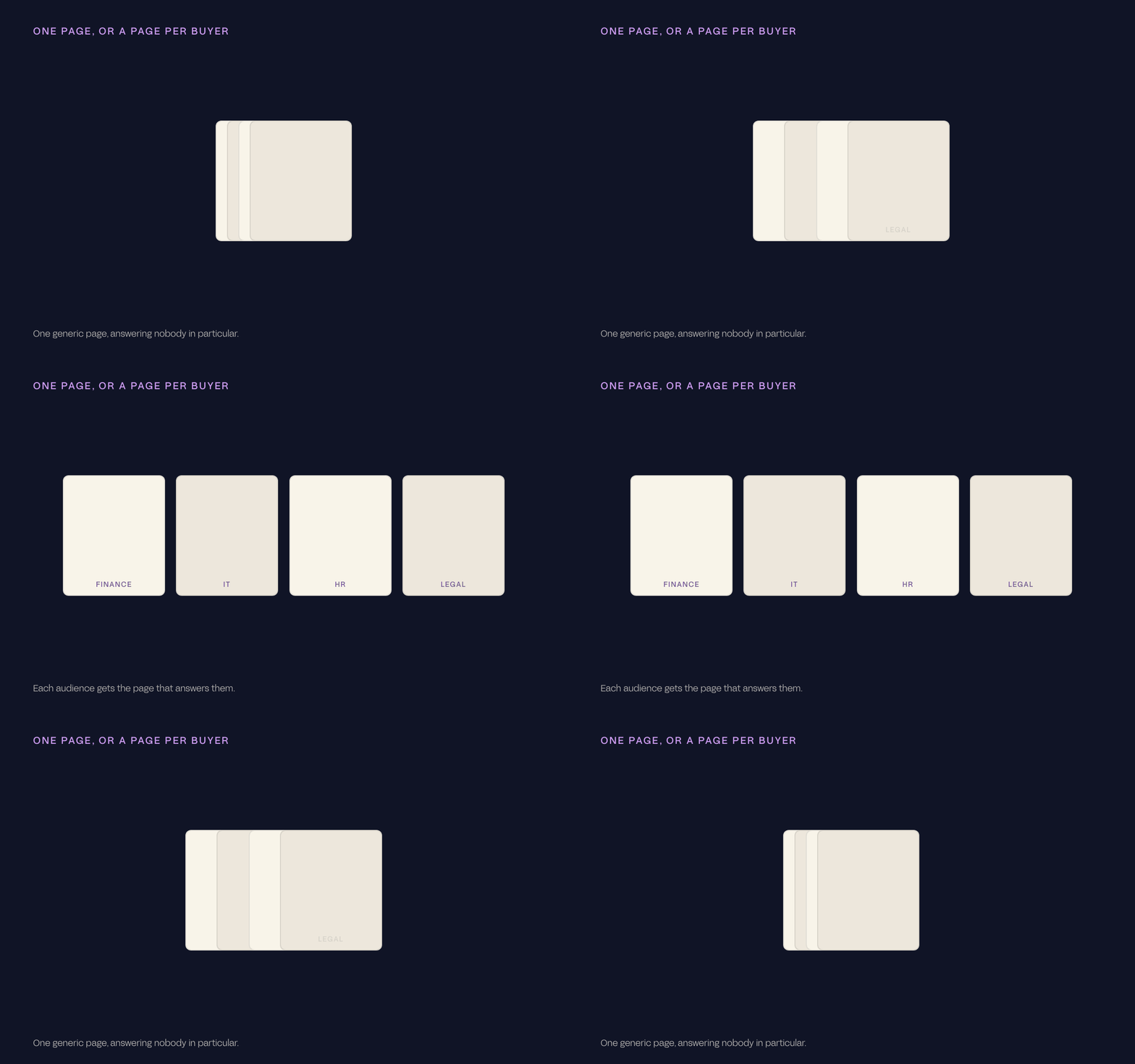
Rippling stopped trying to be everything to everyone on one page. They built dedicated content experiences for each customer type – HR leaders, IT leaders, finance leaders, startup operators – each with its own language, content hub, and conversion path. That is not keyword strategy. It is brand architecture.
Their blog went from 5,000 visits per month to nearly 200,000 by building topic clusters around each audience segment, plus a high-value content hub with reports, tools, and newsletters that keeps the audience coming back. That is not content marketing. It is a commercial content system.
Rippling produces original research, then pitches the data to the specialist publications its audience reads. This creates backlinks, brand mentions, and – critically – the third-party citations that AI tools use to decide who to recommend. This is the move most brands skip, and it is the one that matters most for the next era of search.
In the age of AI search, your brand positioning is your visibility strategy. If you do not have something original to say, no algorithm will say it for you.
– The Antimony position
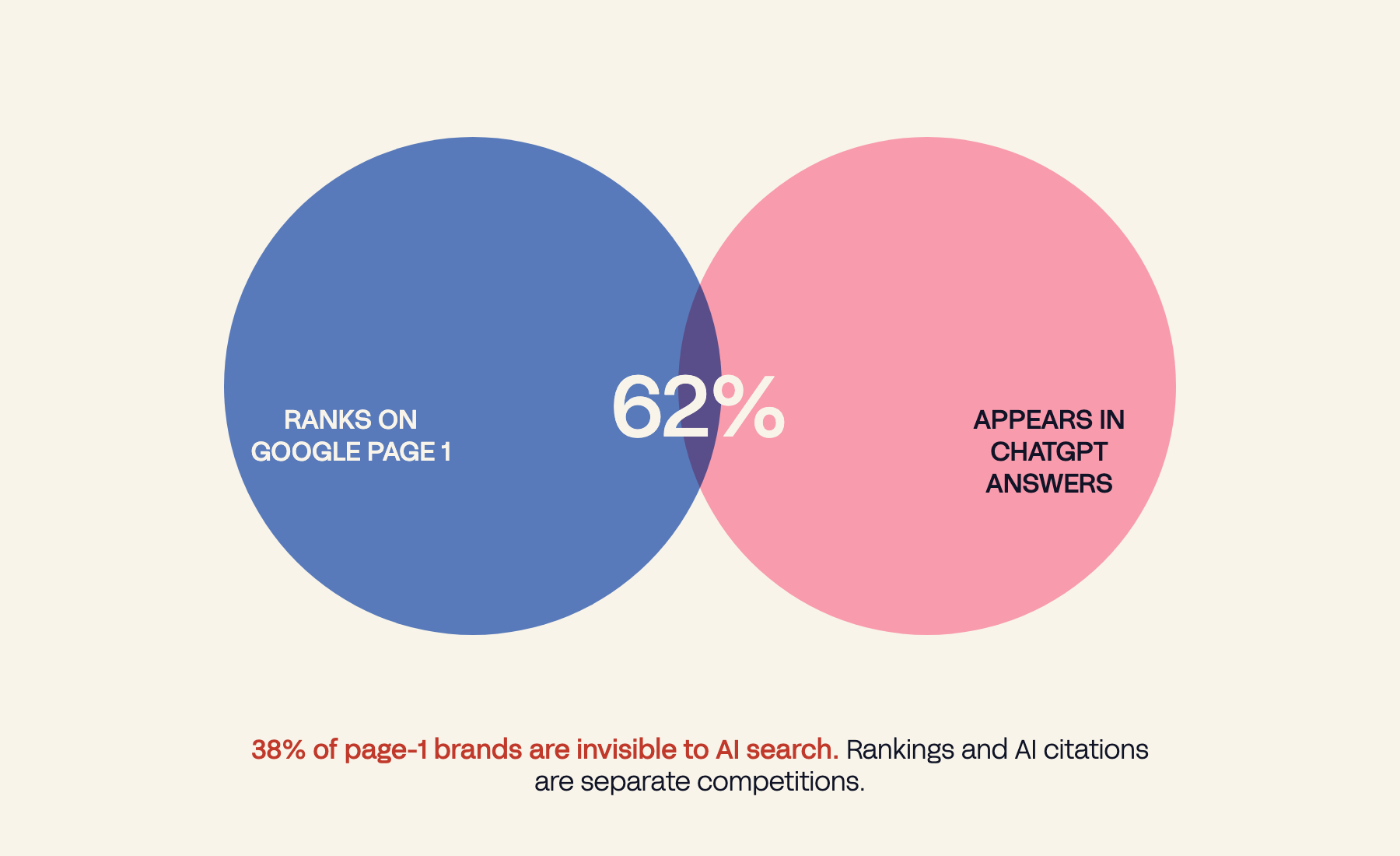
Google AI Overviews synthesise answers instead of listing links. ChatGPT and Perplexity recommend brands based on third-party authority, not your own claims. Rankings and AI citations are now separate competitions, and most brands are only playing one of them. LLMs prioritise semantic relevance, structured content, and third-party citations over domain authority alone – which means mid-authority sites with well-structured, well-cited content can appear in AI answers despite never ranking position one. A threat for incumbents; a genuine opening for challengers.
Segment content by customer type, not just topic. Create one piece of original research per quarter that a publication would want to reference. Build relationships with the specialist publications your audience actually reads. Structure your website for both human readers and AI crawlers. Treat brand positioning as a search strategy, not just a design exercise. And connect content to the full brand system so every touchpoint reinforces the same authority signal.
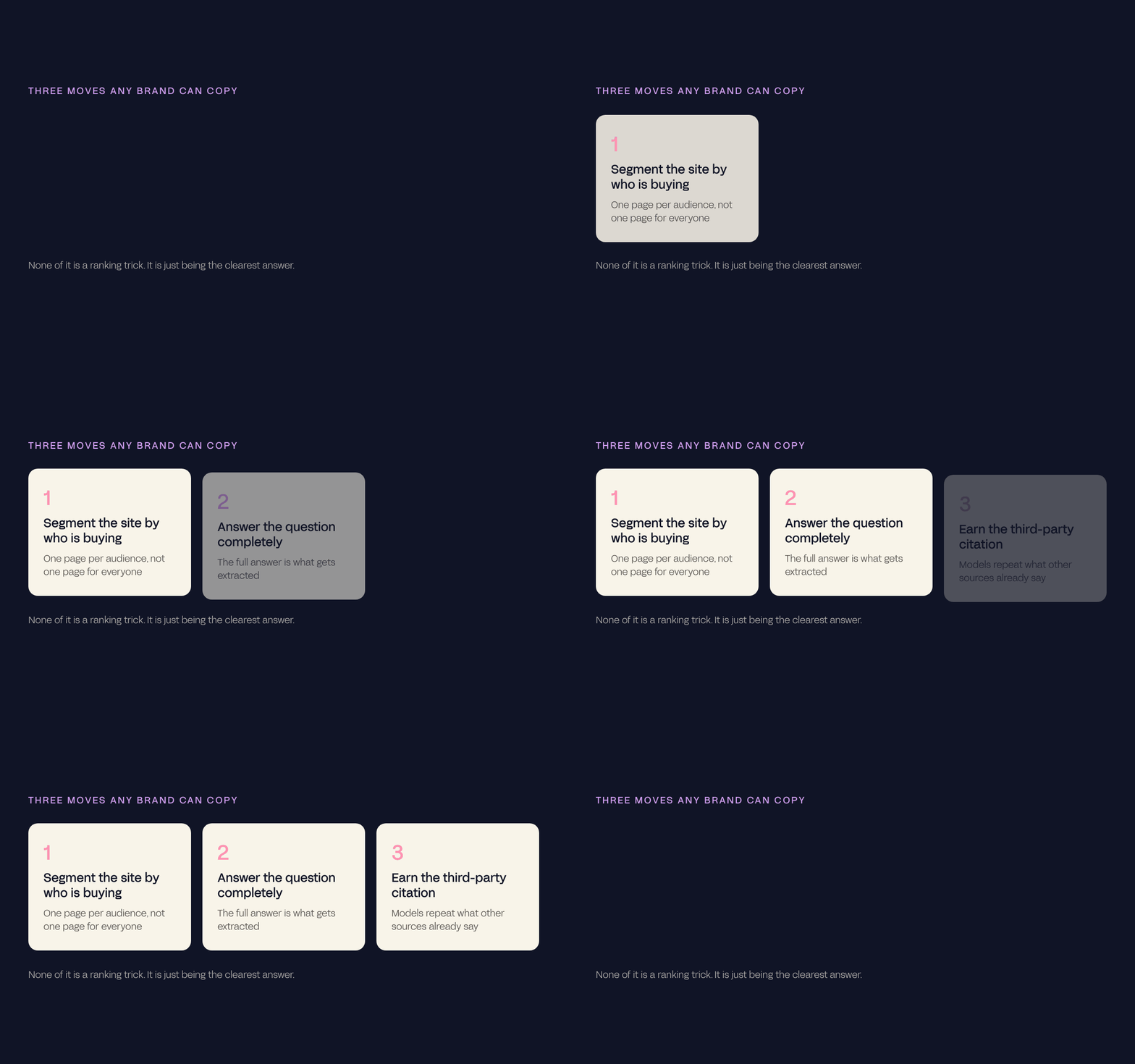
A segmented content strategy is a brand strategy decision. Original data comes from understanding your market. PR-worthy insight comes from having a genuine point of view. It is the same system thinking behind our launch work for Obie, Australia's first personalised fintech platform, and our repositioning of 5th Element: clear positioning first, then content and channels that compound on it. If you want to know where your brand stands, request a Website & Content Visibility Audit.
Definitions. AEO (answer engine optimisation): structuring content so AI systems can extract and quote it. GEO (generative engine optimisation): earning presence in AI-generated answers. Topic cluster: interlinked articles around one pillar subject.